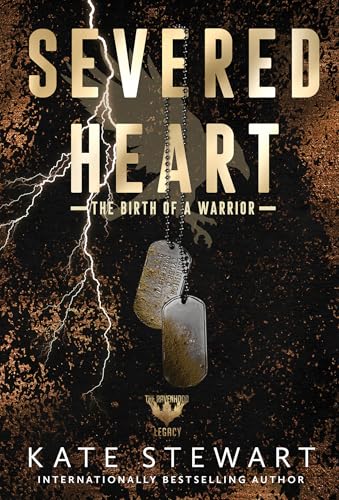
By Kate Stewart
Shattered hearts mend slow,
Love lingers, heals with each breath,
New strength from the ache.
Heartbreak is often the beginning of a new chapter—sometimes in life, love, and loss, we must shatter in order to rebuild. Kate Stewart’s Severed Heart takes readers on an emotional rollercoaster, exploring the transformative power of grief, love, and the painstaking journey of healing.
The central theme of Severed Heart is the overwhelming and often destructive force of grief, and how love can both complicate and soothe that grief. The protagonist, Caroline, faces the sudden loss of her partner, leaving her heartbroken and unsure of her path forward. As she navigates life without him, she is confronted with the stark realities of living in the shadow of loss, and the crushing weight of loneliness that follows.
Stewart does an exceptional job in portraying the nuances of grief. Caroline’s journey feels deeply authentic as she oscillates between numbness and raw vulnerability. The pain of losing a soulmate is rendered in such detail that it will resonate with anyone who has experienced loss in their own life. But where Severed Heart diverges from typical tales of mourning is in its exploration of how love doesn’t always provide an immediate fix or easy answers. Rather than offering instant closure, Stewart presents a more honest and complex narrative, showing how love in its many forms—be it romantic, familial, or self-love—can be both healing and excruciating at the same time.
The book also delves into the concept of self-discovery and growth after a life-altering event. As Caroline struggles to redefine herself in the absence of her partner, the novel shines a light on the idea that sometimes, we must break completely before we can build ourselves anew. This theme of transformation is both empowering and heart-wrenching, as the reader watches Caroline slowly piece together her life while carrying the weight of her past.
Kate Stewart’s vision for Severed Heart is unapologetically raw, pushing readers to confront uncomfortable truths about love, loss, and healing. Stewart’s writing is immersive, emotionally charged, and beautifully crafted. Her ability to write with such emotional depth allows Caroline’s pain to leap off the page. Stewart’s careful pacing builds the tension between grief and hope, creating a rhythm that mirrors the ebbs and flows of Caroline’s emotional recovery.
The author’s execution of the theme of grief is particularly noteworthy. While grief can often be depicted as a straightforward path of mourning, Stewart’s portrayal of it is layered and multi-faceted. There is no quick fix or easy resolution in Severed Heart—the healing process is slow, messy, and complicated, and Stewart doesn’t shy away from showing that. This honesty in her approach makes the book all the more powerful and relatable. The rawness of the narrative is counterbalanced by the author’s ability to infuse moments of tenderness and hope, allowing readers to see that, while grief is heavy, it does not have to be a permanent state of being.
Severed Heart is ideal for readers who are drawn to emotionally rich stories about personal growth and resilience. Fans of women’s fiction and contemporary romance, especially those who enjoy a deeper exploration of loss and healing, will find themselves captivated by Stewart’s storytelling. If you’ve ever found yourself on a journey of grief or change, this book will feel deeply personal and cathartic.
This novel is best enjoyed on a quiet rainy day, curled up with a cup of tea as you immerse yourself in Caroline’s emotional journey. It’s not the type of book to rush through; instead, it invites you to take your time, reflect on its themes, and allow yourself to feel. Severed Heart would also make for an ideal vacation read for those who appreciate slower-paced, introspective stories that leave a lasting emotional impact.


Leave a Reply