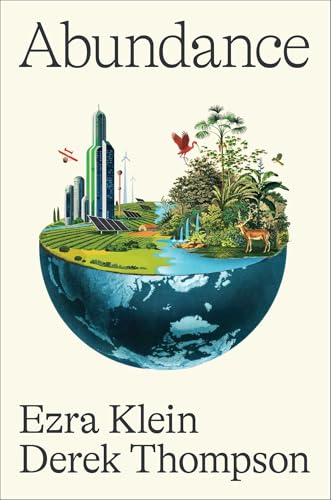
By Ezra Klein and Derek Thompson
From crisis sprouts hope,
Innovation meets purpose—
Plenty is possible.
Abundance by Ezra Klein bursts onto the stage with provocative promise: what if, despite modern anxieties, we actually have more than enough? Klein confronts the widespread narrative of looming scarcity, arguing instead that human ingenuity, guided by smart policy and cooperative spirit, can deliver prosperity for all. His bold framing sets the tone for an optimistic yet grounded exploration of our collective potential.
The main theme of Abundance is clear: progress isn’t inevitable, but it’s possible, and it hinges on our ability to invest in institutions—science, infrastructure, education—that multiply resources rather than hoard them. Klein navigates through issues like climate change, automation, public health, and democratic resilience, showing how thoughtful investment and coordination can address challenges. He warns against the twin traps of hand-wringing fatalism and reckless techno-utopianism, advocating instead for practical optimism rooted in evidence. Throughout the book, we see how focusing on building abundant systems—in food production, clean energy, digital innovations—can transform fear into energy for change.
Klein’s vision is that progress doesn’t require us to accept dystopia or abandon our highest ideals. He executes this with a blend of narrative flair, data-driven reporting, and clear-eyed policy analysis. Each chapter opens with a real-world snapshot—a community rebuilding after disaster, scientists tracking disease patterns, or schools implementing new teaching models. These stories ground his arguments in human experience. Then he zooms out to examine the systems behind those stories, backed by research and examples from around the world. Klein’s prose is engaging and accessible: he doesn’t overuse jargon, and he balances charts and studies with anecdotes that make complex ideas resonate. Some readers might find his policy solutions ambitious or politically idealistic, but he acknowledges trade-offs and the messy process of collective action. The optimism he offers feels earned, not naive—cautious yet bold, pragmatic yet visionary.
Abundance is perfect for readers who care about the future—activists, students, policymakers, or anyone tired of doom-laden narratives. If you’ve ever felt hopeful yet overwhelmed, this book offers a roadmap for thoughtful action and reassurance. It’s an ideal companion for a stormy weekend, curled up on your sofa with a notebook nearby, ready to jot down queries or call-to-action ideas. It’s also perfect for a long train ride, when you can sink into each chapter and let its visions of progress and resilience reverberate beyond the pages. More than a book, Abundance is an invitation: to join the ongoing project of making the world not just better—but plentiful—for all.


 The Haiku Review
Leave a comment