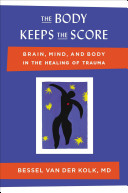
by Bessel van der Kolk
Wounds unseen linger,
Memory lives in the flesh—
Healing finds a way.
The Body Keeps the Score by Bessel van der Kolk begins with a striking premise: trauma doesn’t just haunt the mind—it lodges in the body, reshaping how we move, feel, and even breathe. From the first pages, van der Kolk draws the reader into a compelling exploration of how psychological trauma manifests physically and what that means for the way we approach healing. As both a clinician and researcher, his decades of experience lend the book a rare blend of scientific rigor and human empathy, making this a groundbreaking and often emotional read.
The central theme of the book revolves around the lasting impact of trauma—not just on thought patterns, but on the body’s physiological systems. Van der Kolk illustrates that traumatic experiences can rewire the brain’s ability to regulate stress and interpret safety, often leaving survivors in a state of hypervigilance or numbness long after the threat has passed. He traces this connection through case studies and neuroscience, showing that trauma is not an event that happened in the past, but a force that lingers in the present. Importantly, the book doesn’t dwell only on damage—it also offers hope. Van der Kolk explores how treatments like EMDR (Eye Movement Desensitization and Reprocessing), yoga, neurofeedback, and theater can help trauma survivors reconnect with their bodies and restore a sense of agency and peace.
As for the author’s vision, van der Kolk’s intention is clear: he wants to shift the conversation around trauma from a purely psychological model to a more integrated mind-body approach. He is unflinching in his criticism of traditional systems—particularly overreliance on talk therapy and medication—when they fail to address the embodied nature of trauma. His execution is both compassionate and rigorous, weaving together neuroscience, psychiatry, and lived experience without ever becoming inaccessible. He’s a scientist, but also a storyteller, and his writing strikes a rare balance between the clinical and the personal. Some readers may find the content emotionally intense or the science dense in parts, but overall, the pacing and tone remain grounded and deeply human.
This book is essential reading for anyone interested in mental health, whether as a practitioner, trauma survivor, or curious reader. While not a light read, it’s one that rewards attention and reflection. The best time to engage with it is in a quiet, contemplative space—perhaps on a rainy afternoon curled up in a reading nook or during a weekend retreat where its lessons can be absorbed slowly. It’s particularly suited for readers who are seeking healing or who want to understand how trauma affects themselves or loved ones. The Body Keeps the Score is not just informative—it’s transformative.


 The Haiku Review
Leave a comment